
 Nederlands

WelkomNL app. Your first BFF in the Netherlands. Download it now!
WelkomNL - your first BFF in the Netherlands. Download it now!
Welcome to the Netherlands! Besides working, you’ll have plenty of free time to explore the country. Maybe by bike – after all, the Dutch love their two-wheelers – or by car. Want to hit the road safely? Then it’s handy to know the key Dutch traffic rules. They might be slightly different from what you’re used to. This way, you’ll arrive safely at your destination!
In the Netherlands, we drive on the right side of the road. Overtaking is done on the left. Staying in the left lane for your entire journey, such as on the highway? Don’t do it – it can earn you a hefty fine. The same goes for overtaking on the right. That’ll cost you too! The only exception is when you’re in a traffic jam, where overtaking on the right is allowed.
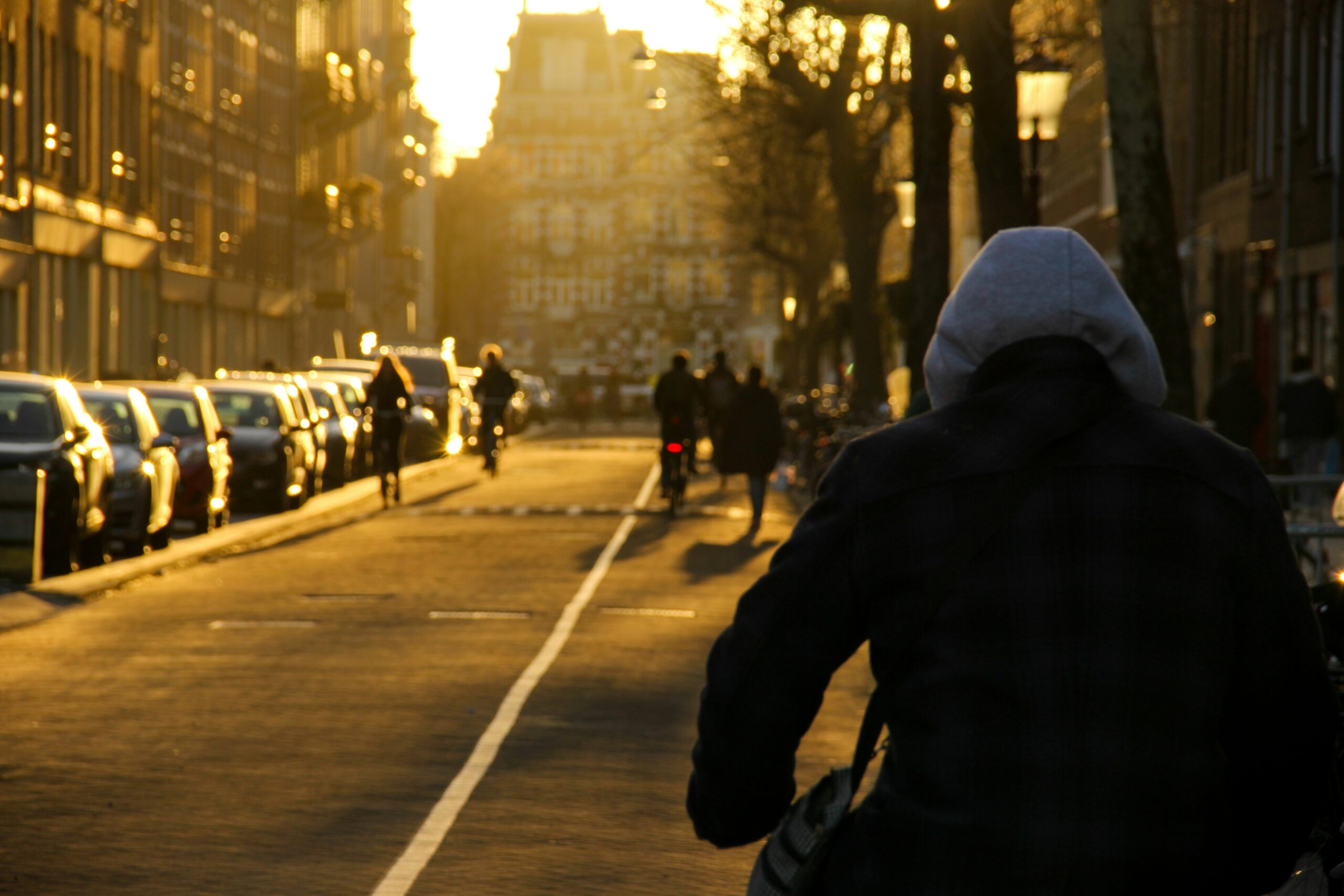
You may have already noticed… the Netherlands is a cycling country. There are special bike paths, and in many cases, cyclists have the right of way. Especially in busy cities, the streets are full of cyclists who can sometimes behave unpredictably. If you’re driving, keep an extra eye out for those on two wheels.
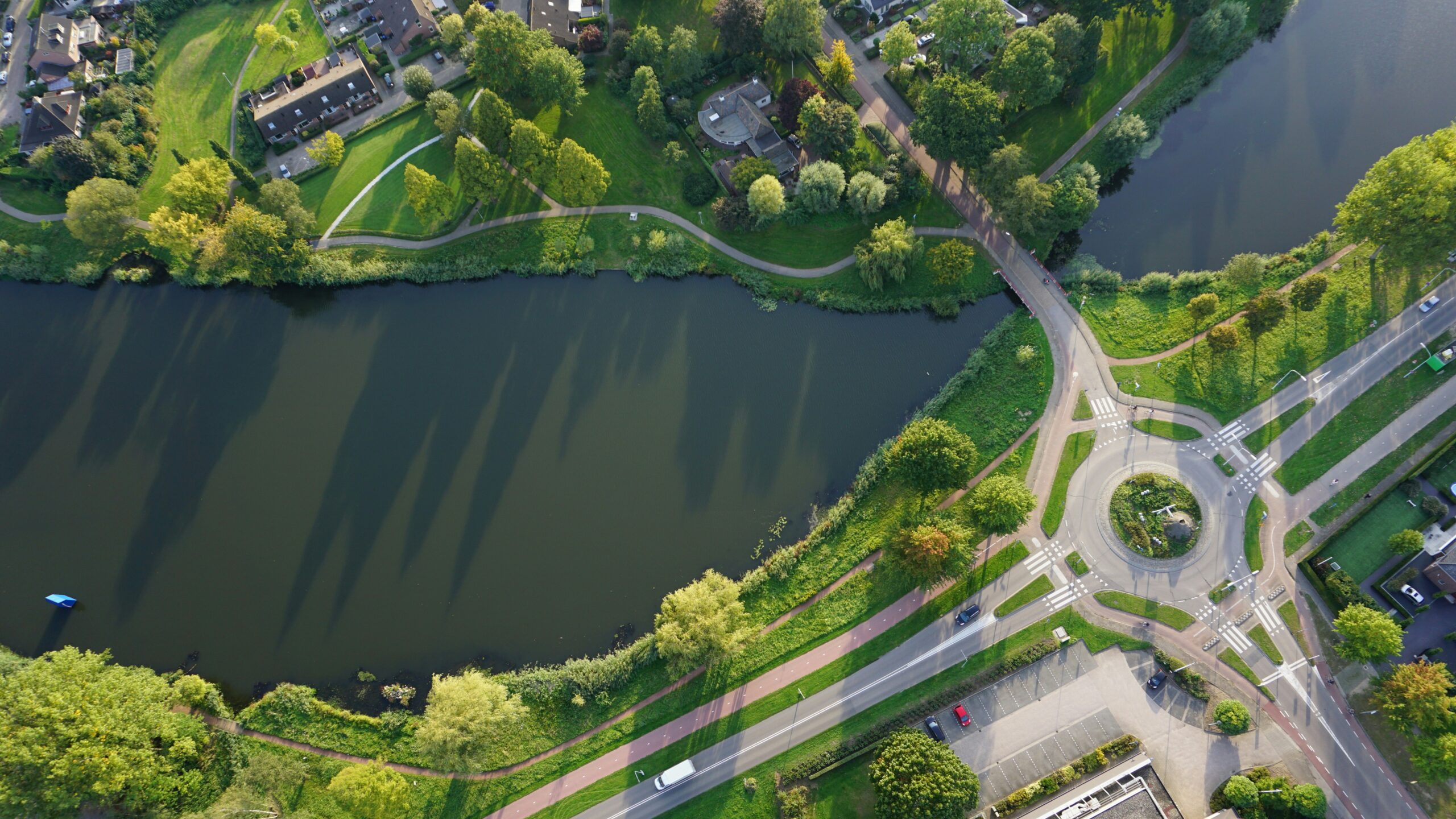
On roundabouts, the general rule is that those already on the roundabout have the right of way, unless signs indicate otherwise. So, make sure to check if someone is already on the roundabout before you enter.
The Netherlands has quite strict speed limits. On highways, you’re usually allowed to drive 100 kilometers per hour during the day and 130 kilometers per hour in the evening and at night. On other roads, lower speed limits apply. Be cautious: there are many speed cameras. Driving too fast can result in a steep fine. Tip: use the Flitsmeister app to get alerts when you’re near a speed camera.
In the Netherlands, it’s mandatory to turn on your headlights in the dark and during poor visibility. Many people leave their lights on all day – it’s safer that way! Additionally, everyone in the car – both in the front and the back – must wear a seatbelt. No exceptions!
Thinking about driving home after a night out? Bad idea! The alcohol limit in the Netherlands is low: 0.5 per mille for experienced drivers and just 0.2 per mille for beginners. This means that even one beer or glass of wine can sometimes be too much. Skip the alcohol if you need to drive. Driving sober? Then you can proudly call yourself “the Bob” (the designated driver)!
Pedestrians always have the right of way at crosswalks. If you see someone waiting, stop and let them cross. It only takes a few seconds and makes traffic much safer.

Parking can be tricky, especially in cities. Pay close attention to signs and colored lines on the road or curb. A blue zone means you’ll need a parking disc. And don’t forget that you’ll need to pay to park in some areas, either at a machine or via an app like EasyPark or Parkmobile. Fines for illegal parking can be steep, so be mindful!
These are the most important traffic rules in the Netherlands. You’re now ready for plenty of safe and relaxed kilometers on the road. Safe travels!
WelkomNL - your first BFF in the Netherlands. Download it now!
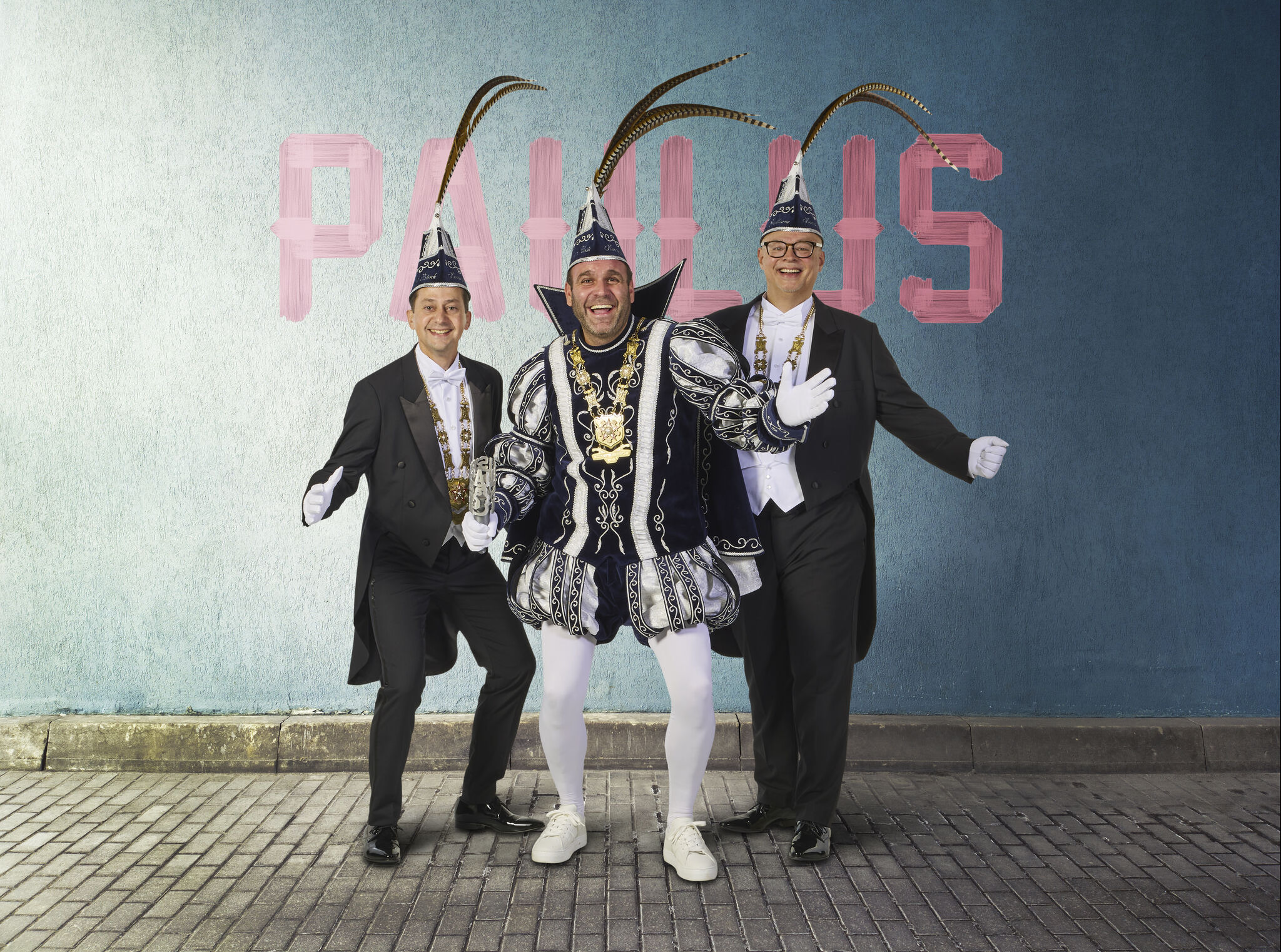
Our Commercial Director is Prins Carnaval. Yes, you read that right. And yes, we’re very proud. On the 11th of the 11th, it was officially announced that Prins Paulus d’n Urste is ruling over Kuussegat this season. Which means one thing, it is time to prep you for Carnival. Here are 10 things you should know before diving in. Consider this your survival guide.
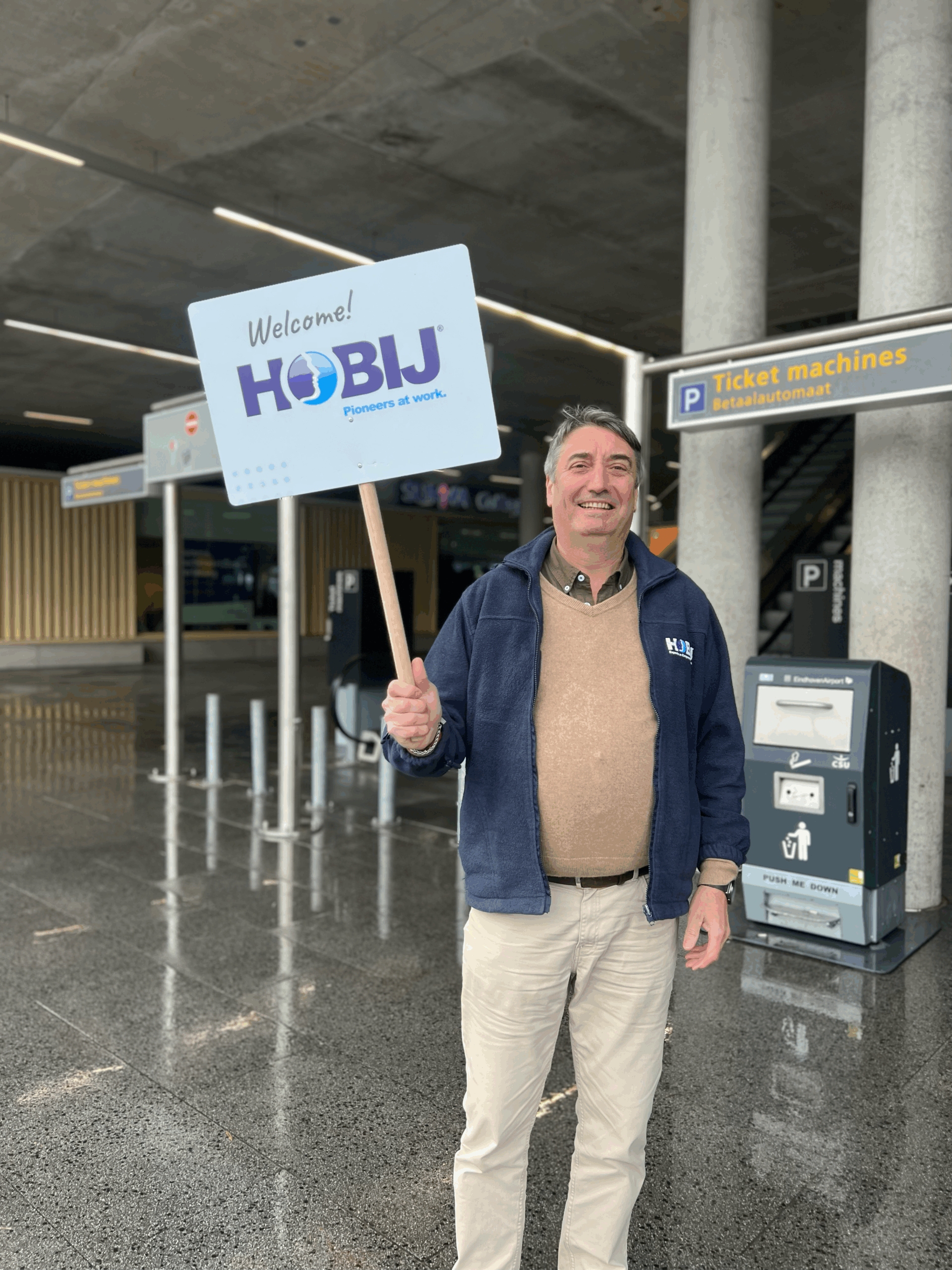
With us, everything starts with people. Of course, we match employers in logistics and production with motivated colleagues. Our strength also sits in everything that surrounds that match. Planning, housing, transport, onboarding and growth. We help people start a new chapter. Sometimes that chapter begins at Eindhoven Airport. With our colleague Paulo.